
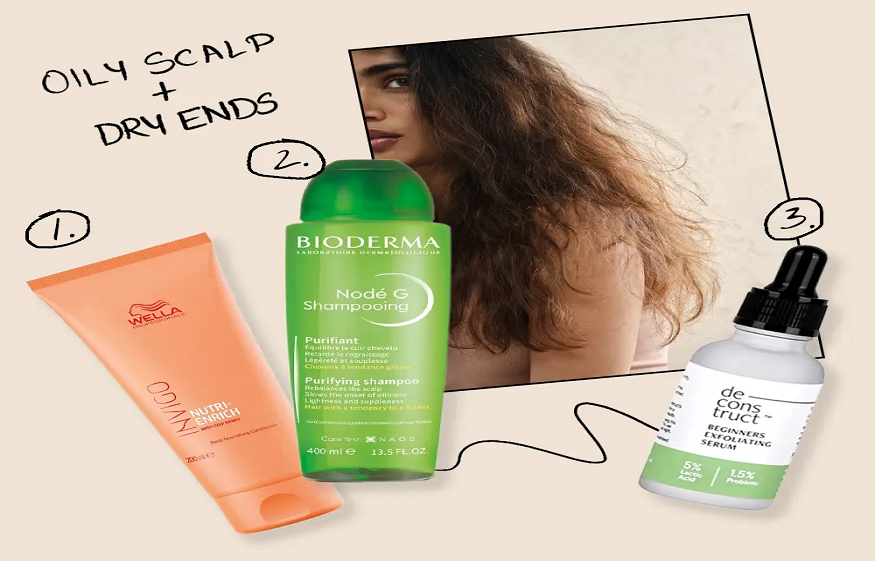
An oily scalp occurs when sebaceous glands produce excess sebum, i.e., the natural oil that protects and hydrates the skin. While sebum is essential for scalp health, overproduction can leave hair greasy, flat, and difficult to manage. Hormones, genetics, humidity, stress, and product buildup commonly influence oil levels. However, using the wrong shampoo for oily scalp can significantly worsen the issue. The right formula should remove excess oil and buildup without stripping the scalp’s protective barrier. This guide points out the effects of using the wrong hair cleanser, how to choose the right shampoo for oily scalp, what to look for, and more!
5 Signs Your Shampoo Isn’t Working
Here are the tell-tale signs your shampoo is ineffective in addressing an oily scalp:
1. Hair Gets Greasy Within 24 Hours
If your roots look oily shortly after washing, your shampoo may not be cleansing and purifying effectively. Residue from styling products and natural oils can accumulate when cleansing agents are too mild.
Read More : 5 Benefits of Using a Hair Mask for Curly Hair
2. Oily Scalp With Flakes
When excess sebum mixes with dead skin cells, visible flakes can appear. Inadequate cleansing often contributes to this combination of oiliness and flaking.
3. Oiliness Increases Over Time
Overly harsh shampoos can trigger rebound oil production. When natural oils are stripped aggressively, sebaceous glands may compensate by producing more sebum.
4. Persistent Itching
An itchy scalp can indicate buildup or irritation. Harsh cleansers may disrupt the scalp barrier, while heavy formulas can trap oil and impurities.
5. Limp, Flat Roots
If your hair lacks volume immediately after washing, your shampoo may contain conditioning agents or silicones that weigh the roots down.
Why The Wrong Shampoo Makes Oiliness Worse?
The scalp thrives on balance. Shampoos that are too harsh can damage the skin barrier, leading to dryness and increased oil production as the scalp attempts to restore equilibrium. On the other hand, overly moisturizing or residue-heavy products can leave buildup behind, making hair appear greasy faster.
Read More : What is a Scalp Exfoliator? How to Pair it with Hair Spa Treatment?
Improper rinsing also contributes to residue accumulation. A suitable shampoo for oily scalp should cleanse thoroughly while maintaining scalp comfort. Balanced cleansing helps regulate oil levels instead of intensifying them.
How To Choose The Right Shampoo For Oily Scalp?
Wondering how to choose the best shampoo for oily scalp? Let us tell you!
- Ingredients To Look For:
- Salicylic Acid: Gently exfoliates excess sebum and buildup.
- Tea Tree Oil: Offers clarifying and antimicrobial benefits.
- Niacinamide: Supports the scalp barrier.
- Concentrated AHA: Purifies the oily scalp and accelerates the cell development process. Try using L’Oréal Professionnel Anti-oiliness Dermo-purifier Shampoo as it purifies the scalp, assures 78% less scalp sebum in 1 use* and offers up to 67% more nutrition*.
Instrumental test, shampoo + clay
**Instrumental test
Pro Tip: If you have colored hair with a greasy scalp, switch to a sulfate-free shampoo that cleanses effectively without over-drying and protects your hair color.
- Ingredients To Avoid:
- Heavy silicones in high concentrations
- Thick oils and butters in shampoo
- Excessively conditioning formulas designed for dry hair
Hair Wash Routine For Oily Scalp
- Step 1: Use a targeted shampoo for oily scalp and massage gently to loosen buildup.
- Step 2: Apply conditioner only to mid-lengths and ends.
- Step 3: Rinse thoroughly to prevent residue. Consider weekly scalp exfoliation if needed.
Pro Tip: Limit heavy styling products near the roots to maintain freshness.
Oily scalp isn’t a flaw, but persistent greasiness often signals the wrong shampoo choice, incorrect products or hairstyling habits. Pick a balanced shampoo for oily scalp that cleanses effectively without triggering rebound oiliness. For further guidance on oily scalp or other concerns, pay a visit to a L’Oréal Professionnel partner salon and let trained professionals suggest the best tips and care for your hair.